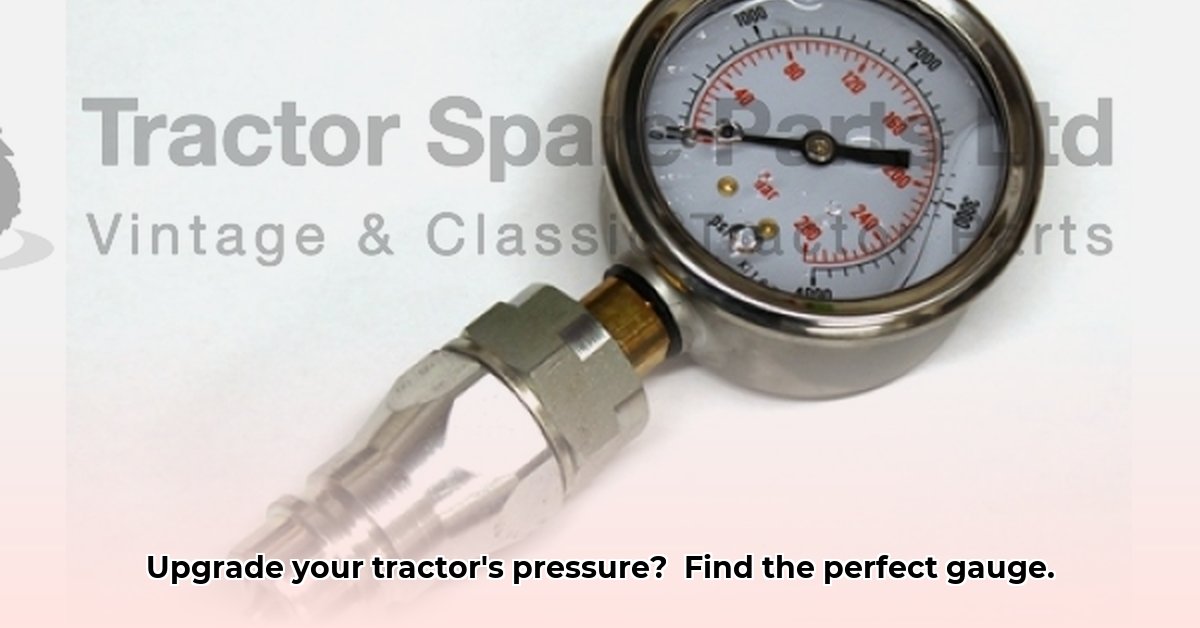
Maintaining your tractor's hydraulic system is critical for optimal performance and safety. A reliable hydraulic pressure gauge provides essential real-time monitoring, preventing costly repairs and potentially dangerous situations. However, the variety of gauges available can make choosing the right one challenging. This guide provides a comprehensive overview, helping you select, install, and maintain the ideal gauge for your needs. For more detailed information, see this helpful guide.
Understanding Hydraulic Pressure Gauges
Your tractor's hydraulic system powers numerous functions, from lifting implements to steering. A pressure gauge acts as a vital signs monitor for this system. Accurate readings quickly identify potential problems before they escalate into major breakdowns. However, gauge quality varies greatly, influencing accuracy, longevity, and overall performance. This section explores the key components and factors impacting gauge performance.
Gauge Construction and its Impact on Performance
The materials and construction of a hydraulic pressure gauge drastically impact its accuracy and lifespan. High-quality gauges typically utilize stainless steel (known for its corrosion resistance – a critical factor in the humid and often chemically-exposed farm environment) for the housing. Internal components, such as the diaphragm (a flexible element essential for pressure sensing), are usually made from specialized, durable materials capable of withstanding contact with hydraulic fluids. A reliable sealing mechanism prevents leaks and maintains gauge accuracy. Many gauges incorporate shock-absorbing elements to mitigate the effects of vibrations common in agricultural machinery. Temperature variations also impact gauge accuracy; therefore, suitable temperature compensation mechanisms are vital. For instance, a gauge's readings might be significantly affected by extreme temperature changes, similar to how a thermometer reading can vary drastically between a hot desert and a snowy mountaintop.
(Insert diagram here: A cross-section diagram of a hydraulic pressure gauge illustrating key components like the case, diaphragm, pointer, scale, connection point, and shock-absorbing elements.)
Selecting the Right Gauge: A Decision Tree
Choosing the right hydraulic pressure gauge involves considering several key factors, ultimately influencing both performance and longevity. The following decision tree guides you through this process.
1. Application: * Light Duty (small farm, infrequent use): A basic gauge with a lower pressure range may suffice. * Heavy Duty (large farm, frequent use, demanding applications): A robust gauge with a higher pressure range, superior accuracy, and enhanced durability is essential.
2. Budget: * Limited Budget: Prioritize basic features and functionality, focusing on accuracy within acceptable limits. * Higher Budget: Invest in a high-quality gauge with enhanced durability, wider pressure range, and improved accuracy.
3. Accuracy Requirements: * General Monitoring: +/- 1% accuracy is usually adequate. * Precise Measurements: Consider gauges offering higher accuracy levels, though these typically come with a higher price tag.
4. Environmental Conditions: * Harsh Environment (high vibration, extreme temperatures, exposure to contaminants): Choose a gauge designed to withstand these conditions, often featuring liquid filling for shock absorption. * Moderate Environment: A standard gauge may suffice.
Gauge Comparisons: A Review
Direct product comparisons are challenging in the absence of standardized testing protocols across manufacturers. However, we present a table highlighting key features to guide your decision. Remember, stated accuracy and ratings are based on manufacturers' claims.
| Gauge Model | Pressure Range (psi) | Accuracy (%) | Vibration Resistance | Material | Pros | Cons | Price Range (USD) |
|---|---|---|---|---|---|---|---|
| Gauge A | 0-5000 | ±1 | High | Stainless Steel | Durable, Accurate, Long Lifespan | Potentially Higher Cost | $100 - $200 |
| Gauge B | 0-3000 | ±0.5 | Medium | Brass | Lower Cost | Less Durable; Not Ideal for High Vibration | $50 - $100 |
| Gauge C | 0-2000 | ±1 | High | Stainless Steel | Liquid-filled; Superior Vibration Dampening | Limited Pressure Range | $75 - $150 |
(Note: Replace "Gauge A," "Gauge B," and "Gauge C" with actual brand names or model numbers when appropriate. Price ranges are estimations and may vary.)
Installation and Maintenance: A Step-by-Step Guide
Proper gauge installation and routine maintenance are critical for accurate readings and extended lifespan.
Installation:
- Safety First: Always disconnect the tractor's hydraulic system before working on it.
- Locate Test Port: Identify the designated test port on your tractor's hydraulic system. Consult your tractor's manual if needed.
- Connect the Gauge: Securely connect the gauge using the correct fittings, ensuring a leak-free seal.
- Bleed Air: Remove any air bubbles from the line to guarantee accurate readings.
- Verify Readings: Take several test readings to verify functionality and accuracy.
Maintenance:
- Regular Cleaning: Wipe the gauge face and lens with a soft, clean cloth.
- Calibration: Professional calibration is recommended periodically to ensure sustained accuracy. The frequency depends on usage and environmental conditions.
Troubleshooting: Common Problems and Solutions
Addressing common problems effectively prolongs the gauge's lifespan and ensures accurate readings.
- Inaccurate Readings: Check for leaks, air bubbles, and consider professional recalibration.
- Leaks: Inspect connections and fittings for damage; tighten or replace as needed.
- Gauge Malfunction: Replacement might be necessary if the gauge is damaged beyond simple repair.
Conclusion: Choosing the Right Gauge for Optimal Performance
Selecting the appropriate hydraulic pressure gauge is vital for maintaining your tractor's hydraulic system. By considering the factors outlined in this guide, you can choose a gauge that meets your specific needs, ensuring optimal tractor performance, safety, and longevity. Regular maintenance and prompt attention to any problems will further extend the gauge's useful life.